clio
clio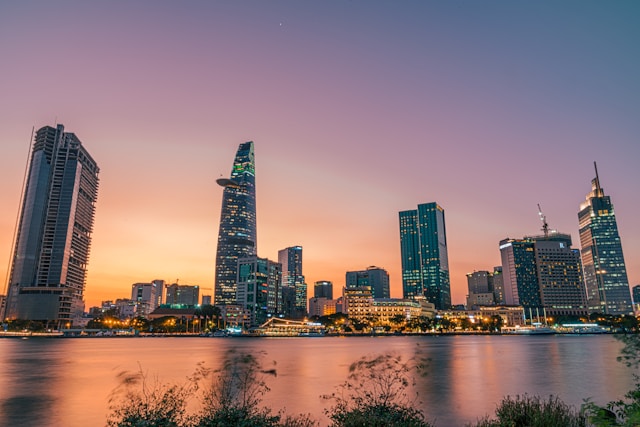
Why More Foreigners Want to Buy Vietnam Property
Interest in Vietnam’s property market has reached its highest level in years, with more international buyers eyeing opportunities across the country. What’s driving this trend? From robust economic growth to appealing lifestyle options, there are many reasons why overseas investors and expatriates are looking East. This blog on buy Vietnam property dives into the top factors fueling this surge of interest and what it means for buyers on the global stage.
Buy Vietnam Property: Economic Rise Is Fueling Real Estate Demand
Vietnam has transformed from an emerging economy to one of Southeast Asia’s fastest-growing markets. The World Bank reported that GDP growth remained strong at over 8 percent in 2022, outpacing most of its neighbors. Massive investments in infrastructure, booming exports, and a youthful workforce have all contributed to this impressive record.
These factors translate directly into opportunities for investors:
- Rising incomes mean more Vietnamese are looking to upgrade their housing, driving overall property values higher.
- Stable growth offers reassurance for those seeking returns in a new market.
- Growing urbanization in cities like Ho Chi Minh City, Hanoi, and Da Nang creates high demand for all types of properties, from apartments to commercial spaces.
For foreign buyers, such vibrant economic prospects promise both short-term rental income and long-term capital appreciation.
Changing Laws Are Opening the Market
For years, Vietnam’s strict property ownership laws limited access for foreigners. But sweeping legal reforms since 2015 have changed the landscape dramatically.
- Foreigners can now legally own homes or apartments for up to 50 years (with possible extensions).
- All nationalities are eligible (with a valid tourist or business visa).
- Up to 30 percent of units in any residential building, or 250 individual houses in a ward, can be sold to non-nationals.
- Ownership rights include selling, sub-leasing, or gifting the property.
These reforms make Vietnam notably more accessible compared to some other markets in Asia, such as Thailand or Indonesia, where foreign land ownership is often heavily restricted or outright prohibited.
Competitive Prices and High Value for Money
One reason foreigners are eyeing Vietnam’s property market is simple economics. Prices remain attractively low by international standards, even in prime locations. For instance, the average price per square meter for new condominiums in Ho Chi Minh City hovered between $2,000 and $3,000 in 2023, while Singapore and Hong Kong can see prices exceeding $25,000 per square meter in central districts.
Consider the benefits:
- Affordable entry point for first-time investors compared to other Asian hubs.
- Higher rental yields compared to developed markets, with yields in central districts such as District 1 often between 6% and 8%.
- Significant upside potential as Vietnam’s property market matures and demand increases.
These price advantages make Vietnamese property especially appealing for investors aiming to diversify portfolios, secure holiday homes, or tap into high-growth cities without breaking the bank.
Lifestyle Appeal for Digital Nomads and Retirees
Vietnam offers much more than financial opportunity. Its dynamic cities, cultural richness, and affordable cost of living are attracting people from around the world.
- Vietnam’s climate is tropical and warm, perfect for sun seekers.
- Cost of living is low, with affordable healthcare and services.
- Food, travel, and adventure are major draws for those seeking a lifestyle upgrade.
Many foreigners, particularly digital nomads and retirees, are attracted by the prospect of living in vibrant urban centers or by the beach at a fraction of the cost of similar locations elsewhere.
For example, a one-bedroom apartment in downtown Ho Chi Minh City can often be rented for $500–$800 per month, while luxury beachfront villas in Da Nang or Nha Trang are available at prices unthinkable in Europe, Australia, or the US.
Improvements in Infrastructure and Connectivity
Vietnam is undergoing a dramatic transformation in its physical infrastructure. Rapid development of airports, roads, ports, and public transit is making the country more accessible than ever before.
- Major airports in Hanoi, Ho Chi Minh City, and Da Nang are expanding with more international flight connections.
- New expressways and metro lines are connecting key residential areas to business districts.
- Modern residential zones are being developed, offering international schools, shopping malls, and world-class facilities.
For global buyers, these upgrades mean not only ease of travel but also peace of mind that their property investment comes with solid, long-term prospects.
Robust Rental Market and Growing Tourism
Tourism is a key pillar of Vietnam’s economy, bringing in over 18 million international visitors in 2019 before the pandemic. While numbers dipped in 2020 and 2021, recovery has been rapid, and the government has ambitious targets for the years ahead.
- Short-term rental platforms such as Airbnb and Booking.com have flourished in cities and coastal destinations, offering investors lucrative rental income.
- Long-term rental demand remains high due to the booming expat community within Vietnam’s major cities. International schools, multinational companies, and NGOs attract thousands of foreign professionals to live and work in the country.
For investors, this means a reliable source of rental demand year-round, whether targeting business travelers, tourists, or new residents.
Potential Risks and Smart Buying Tips of Buy Vietnam Property
With opportunity comes risk, and Vietnam’s property market is no exception. Regulatory processes, unfamiliar legal systems, and language barriers can create challenges for new buyers. Here are some tips to manage risk:
- Work with reputable real estate agents and legal advisors who understand both local law and international buyers’ needs.
- Conduct due diligence on the property, including checking ownership documentation, developer reputation, and potential restrictions within specific projects.
- Plan for ongoing management if you don’t plan to live in Vietnam full-time, either via local management companies or reliable partners.
A careful, informed approach is essential to make the most of Vietnam’s investor-friendly market while safeguarding your capital.
Vietnam’s Global Image Is on the Rise
Recent years have seen Vietnam emerge as not just an economic player, but a country with increasing “soft power.” The global fascination with Vietnamese cuisine, its lively startup scene, and a friendly diplomatic posture have all boosted the country’s reputation.
International events like the Formula 1 race in Hanoi, high-profile summits, and art and tech festivals have put Vietnamese cities on the global map.
These “soft” elements reinforce the more tangible financial and legal factors that drive property investment, as more buyers factor lifestyle, buzz, and culture into their decisions.
What to Watch in the Years Ahead
- Further legal relaxation around land and property ownership is possible, as the government seeks to entice more foreign funds.
- Urbanization will only accelerate, with millions set to move to major cities in the next decade.
- Infrastructure megaprojects, such as mega-airports and high-speed rail corridors, will continue the country’s upward trajectory.
The trend is clear: Vietnam is open for business, and its property market is set for even greater interest from abroad.
Take Your Next Step Toward Owning Vietnam Property
If you’re weighing a purchase in a growing, globally-connected real estate market, Vietnam clearly has plenty to offer. Robust economic growth, affordable entry points, and a welcoming legal climate set the stage for both rewarding investment and a great lifestyle.
Whether you’re an investor, retiree, or digital nomad, it is a market worthy of close attention. Engage with trusted advisors, do your research, and keep a long-term view. Today’s buyers are not just chasing returns but joining a dynamic community reshaping Southeast Asia’s skyline.