admin
admin
Choosing the right colour palette for your HDB home can dramatically influence how your space feels. Colour affects mood, perception of space, and the overall harmony of your home. Whether you’re renovating a brand-new BTO unit or refreshing an older resale flat, a well-thought-out colour scheme brings cohesion, character, and comfort to every room.
In this guide, we’ll explore how to pick the perfect colour palette for your HDB interior, based on layout, lighting, personal style, and intended ambience. From warm neutrals to bold accents, you’ll discover how the right hues can make your home feel more spacious, stylish, and uniquely yours.
Need help designing your dream home? Work with professional HDB designers at https://hdbinteriordesign.sg.
Why Colour Matters in HDB Homes
In compact Singapore HDB flats, every design decision counts—and colour is one of the most powerful tools to visually shape a space. The right palette can:
-
Make small rooms appear larger
-
Enhance or balance natural lighting
-
Reflect your personal style
-
Set a relaxing, productive, or vibrant tone
-
Tie together furnishings and décor for a cohesive look
The key is to be intentional. Even the most minimal colour palette can have maximum impact when thoughtfully applied.
Step 1: Understand Your HDB Layout and Lighting
Before choosing colours, assess your unit’s layout and how natural light behaves in each space.
North-Facing Rooms
-
Receive less direct sunlight
-
Work well with warmer tones like beige, cream, peach, or soft yellow
South-Facing Rooms
-
Get consistent natural light throughout the day
-
Can handle cooler tones like grey, blue, and green
Small Rooms (e.g. study, service yard)
-
Light colours (white, off-white, light grey) help open up space
Narrow Corridors or Entryways
-
Use soft, reflective shades and consider accent walls to draw attention
Tip: Observe your home throughout the day. Colours can look very different under morning sun, afternoon glare, or warm evening lights.
Step 2: Choose a Base Colour
The base colour sets the tone for the entire home and usually goes on the majority of your walls. In most HDB homes, homeowners prefer neutral bases because they are timeless, flexible, and easy to pair.
Popular Base Colours:
-
Warm White – clean, bright, and inviting
-
Cool Grey – modern and calming
-
Beige or Taupe – warm and cozy without being too dark
-
Pale Blue or Sage Green – subtle colour with a refreshing twist
Avoid overly stark whites, which can feel clinical or amplify shadows in certain lighting.
Step 3: Build a 3-Colour Palette
A useful rule is the 60-30-10 rule:
-
60% base colour (walls)
-
30% secondary colour (furniture, floors, built-ins)
-
10% accent colour (decor, cushions, feature walls)
Example: Scandinavian Style HDB Flat
-
60% White (walls and ceiling)
-
30% Light Oak Wood (flooring and furniture)
-
10% Sage Green (cushions, art, planter)
This approach ensures visual balance and adds interest without overwhelming the space.
Step 4: Pick Colours Based on Style
Your colour palette should reflect your interior design style. Here are popular styles in HDB homes and their ideal colour directions:
1. Scandinavian
-
Base: White or off-white
-
Secondary: Light wood tones
-
Accent: Sage green, soft grey, dusty pink
2. Minimalist
-
Base: Warm or cool white
-
Secondary: Black, grey, or beige
-
Accent: Chrome, metal, or monochrome tones
3. Japandi (Japanese + Scandinavian)
-
Base: Light greige or cream
-
Secondary: Dark brown or matte black
-
Accent: Olive green, clay red, soft blue
4. Modern Luxury
-
Base: Neutral taupe or ivory
-
Secondary: Marble patterns, brushed gold
-
Accent: Navy blue, emerald green, or deep plum
5. Industrial
-
Base: Cement grey
-
Secondary: Black metal, raw wood
-
Accent: Rust orange, brick red
Want help matching your design style to the right colour palette? Consult the team at https://hdbinteriordesign.sg.
Step 5: Don’t Forget the Fifth Wall (Ceilings)
Most homeowners default to painting the ceiling white. But in compact HDB spaces, the ceiling can become part of your design palette.
-
Light grey or off-white ceilings offer subtle contrast
-
Deep hues (e.g. navy, dark green) can create drama in bedrooms or dining rooms with high ceilings
-
Matching the ceiling to the walls can elongate the look of narrow corridors
If using dark ceiling colours, balance them with ample lighting and bright furnishings to avoid a claustrophobic feel.
Step 6: Add Texture and Material Colour
Colours aren’t just about paint. The materials you choose also bring in natural colour tones that affect your palette.
-
Woodgrain laminates (light oak, walnut, ash) add warmth
-
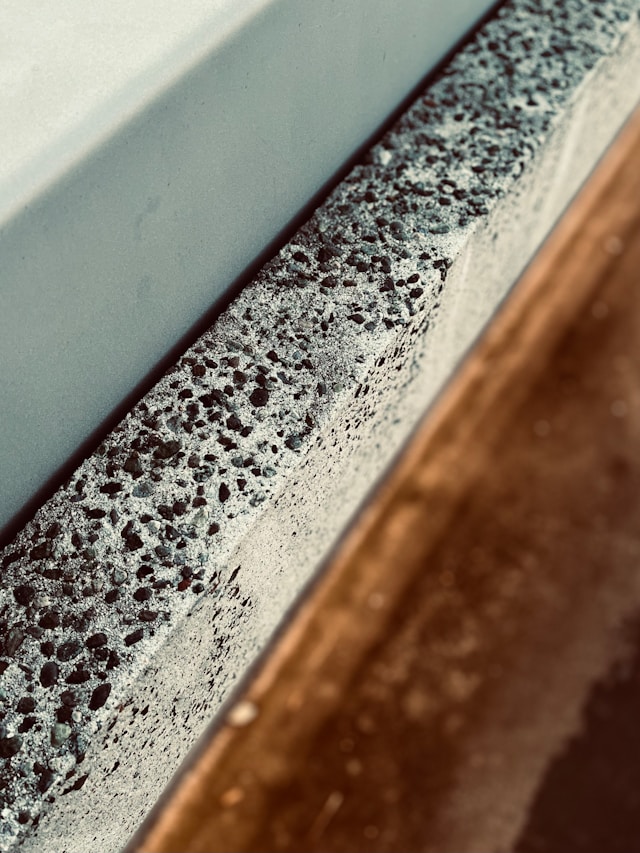
Stone or terrazzo provides texture in neutral tones
-
Metal finishes like black, brass, or chrome act as subtle accents
-
Soft furnishings—rugs, throws, curtains—can introduce bolder colours without permanence
Choose materials that blend well with your base and secondary colours for a cohesive outcome.
Step 7: Use Feature Walls for Contrast
In HDB flats, creating a feature wall is a popular way to add personality without overwhelming the space. It’s often done in:
-
The living room (behind the TV or sofa)
-
The bedroom (behind the bedhead)
-
The dining area (as a conversation zone)
Popular feature wall ideas:
-
Bold paint colour (e.g., navy, forest green, terracotta)
-
Textured laminates or wall panels
-
Wallpaper with subtle prints
-
Fluted wood panels for added dimension
Feature walls work best when they tie in with the overall colour palette.
Step 8: Test Before You Commit
Paint swatches or material samples may look great in the showroom, but lighting and environment can affect the way colours appear at home.
Tips:
-
Paint a small area (1m x 1m) on your actual wall
-
Observe the swatch during different times of day
-
Place it beside flooring, cabinets, or curtains to check harmony
Better yet, request 3D visualisations from your interior designer to see the whole palette come together before the actual work begins.
Mistakes to Avoid When Choosing HDB Colours
-
Overusing bold colours – These can make small spaces feel tight
-
Using different palettes for every room – Leads to a disjointed home
-
Forgetting to test in real lighting – Colours change under different light
-
Mismatching flooring with wall colours – Creates visual tension
-
Using too many materials with clashing undertones – Keep warm and cool undertones consistent
Consistency and moderation are key to a well-designed palette.
Bonus: Colour Psychology for the Home
Colours have a powerful emotional impact. Here’s a quick guide on how colours can influence mood:
-
White: Clean, open, airy
-
Beige/Taupe: Warm, cozy, timeless
-
Blue: Calming, ideal for bedrooms
-
Green: Refreshing and tranquil
-
Grey: Modern, grounding
-
Yellow: Energising, great for kitchens or study corners
-
Dark hues: Elegant, moody, but best used sparingly
Choose shades that align with the mood you want to create in each room.
Final Thoughts
Choosing the right colour palette for your HDB home is more than just picking your favourite shade—it’s about understanding your space, lighting, personal preferences, and desired ambience. With a well-coordinated colour scheme, even the most compact flat can feel stylish, spacious, and uniquely personal.
Start with a base colour that suits your lighting, build around it with a cohesive 3-colour palette, and bring in texture and accents through materials, feature walls, and soft furnishings. Don’t forget to test everything in your actual space—and when in doubt, consult an experienced interior designer.
Need help bringing your HDB colour vision to life? Visit https://hdbinteriordesign.sg for full-suite design services tailored for Singapore HDB flats.

 clio
clio