clio
clio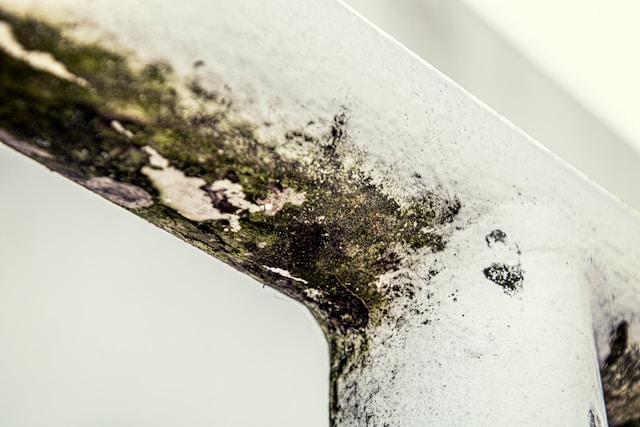
Construction Quality Control Singapore Mold Remediation
Construction quality control is about more than finishes, timelines, and defect lists. It is also about protecting the building from hidden problems that can damage performance long after handover. In Singapore, Mold Remediation is a critical part of that conversation because moisture-related issues can affect indoor air quality, material durability, occupant health, and project value. For contractors, developers, consultants, and property stakeholders, understanding how mold forms and how to control it is essential to better construction outcomes. This article explains how mold affects construction quality control, what causes it during and after construction, why inspection and moisture management matter, and how proactive planning supports stronger long-term building performance.
Why Mold Matters in Construction Quality Control
Mold is not just a maintenance issue. It is often a sign that moisture control failed somewhere in the building process. That failure may involve design, material storage, workmanship, sequencing, ventilation, or post-completion management.
In a humid climate like Singapore, the risk is higher because moisture is always present in the environment. If water enters building materials or humidity stays trapped indoors, mold can develop quickly. Under the right conditions, mold growth can begin within 24 to 48 hours on damp surfaces.
Mold Remediation Supports Better Construction Outcomes
When mold appears during or soon after construction, it can trigger rework, delay handover, damage brand reputation, and lead to disputes between project parties. It can also reduce confidence in the overall quality of the build.
That is why Mold Remediation should not be treated as an isolated cleaning job. It should be part of a wider quality control approach that addresses root causes, not just visible growth.
Mold Can Affect More Than Appearance
Some stakeholders still view mold as a cosmetic issue. That is a mistake. Mold can damage drywall, insulation, timber-based products, coatings, sealants, ceiling finishes, and soft furnishings. It can also affect occupant comfort and raise indoor environmental concerns.
For residential, commercial, healthcare, hospitality, and mixed-use projects, this makes mold a serious quality risk rather than a minor defect.
How Mold Affects Construction Quality Control
Construction quality control is meant to confirm that a building performs as intended. Mold undermines that goal because it points to uncontrolled moisture, weak inspection processes, or poor coordination between trades.
Mold Remediation and Material Integrity
Many common building materials are vulnerable when exposed to sustained moisture. Gypsum board, engineered wood, paper-faced insulation, ceiling tiles, adhesives, and certain coatings can all support mold growth if they stay damp.
This affects quality because damaged materials may need replacement instead of repair. A project that appears complete on the surface may still contain hidden contamination behind walls, above ceilings, or inside service spaces.
Mold Remediation and Indoor Environmental Quality
Indoor environmental quality is now a major part of building expectations. Occupants expect spaces to be clean, dry, and safe. If mold is present, complaints may arise soon after occupancy, especially in air-conditioned buildings with trapped humidity.
For developers and property owners, this creates both operational and reputational risk. A strong Mold Remediation strategy supports better indoor conditions and reduces the chance of post-handover complaints.
Mold Remediation and Defect Liability Risk
If mold appears during the defects period, questions quickly follow. Was the issue caused by poor workmanship, material exposure, design weakness, or building operation? These disputes can become costly and time-consuming.
Clear quality control records, moisture checks, and remediation protocols help reduce uncertainty when problems arise.
Common Causes of Mold During Construction
Mold during construction usually starts with moisture that was not identified or controlled early enough. In Singapore, high humidity makes that even more important.
Mold Remediation and Wet Building Materials
One of the most common causes is the use of damp or poorly stored materials. Materials left uncovered on-site can absorb moisture from rain, condensation, or humid air. If they are enclosed before drying fully, mold can develop in hidden spaces.
This is a basic but serious quality control issue. Material condition should be checked before installation, not after defects appear.
Rain Intrusion During Construction
Rain exposure is another major cause. Open structures, incomplete roofing, unsealed façades, and delayed waterproofing can allow water into the building envelope. Once water enters, it may soak walls, screeds, insulation, or ceiling spaces.
If drying is delayed, mold growth becomes more likely. This is especially true when the project schedule pushes interior finishes forward before the structure is fully dry.
Condensation in Air-Conditioned Spaces
Construction teams sometimes cool partially completed spaces to support fit-out work or equipment testing. If ventilation is poor and surfaces are cooler than surrounding air, condensation can form. That moisture can settle on walls, ducts, ceilings, and finishes.
This is one reason Mold Remediation should be linked to commissioning and environmental control, not only wet trades.
Poor Site Housekeeping
Debris, wet packaging, organic dust, and leftover materials can support mold growth in storage rooms, service risers, plant spaces, and enclosed areas. Good housekeeping is part of moisture control because it reduces places where contamination can spread.
Common Causes of Mold After Construction
Even if mold is not obvious at handover, post-construction issues can still emerge if moisture risks were not fully resolved.
Mold Remediation and Building Envelope Defects
Leaks from roofs, façades, windows, balconies, or plumbing penetrations are common post-construction triggers. Even a small leak can create enough moisture for mold to develop behind finishes over time.
This is why envelope performance testing and defect checks matter. A building can look complete while still containing moisture entry points.
HVAC and Ventilation Problems
Poor ventilation and badly balanced air-conditioning systems can create humidity pockets indoors. If airflow is weak in corners, ceiling voids, or enclosed rooms, moisture may build up and support mold growth.
In Singapore’s climate, HVAC design and commissioning play a major role in preventing moisture-related defects. A quality control plan should include post-installation checks, not only visual inspections.
Occupancy Patterns and Moisture Buildup
After handover, occupant behavior can also affect moisture risk. Drying laundry indoors, poor ventilation in bathrooms, blocked air grilles, and infrequent use of air-conditioning can all contribute. But even when occupants play a role, construction-related design or system limitations may still be part of the problem.
This is why handover guidance and building operation advice can support long-term mold prevention.
Why Inspection Is Essential for Mold Control
Inspection is one of the strongest tools in construction quality control. It helps teams find moisture risks early, before they turn into widespread contamination.
Mold Remediation Starts With Early Detection
Visible mold is only part of the problem. In many cases, growth begins in concealed spaces such as behind wall panels, above ceilings, under flooring, or inside joinery. By the time staining appears, the issue may already be advanced.
A proper Mold Remediation process starts with identifying the source of moisture, the extent of growth, and the materials affected. Without that, treatment is often incomplete.
Moisture Testing Improves Decision-Making
Moisture meters, thermal imaging, humidity readings, and targeted opening-up inspections can help confirm whether materials are dry enough for installation or occupancy. These checks are especially useful before closing up wet areas or handing over completed units.
For contractors and consultants, moisture testing adds a more objective layer to quality control. It reduces reliance on appearance alone.
Inspection Supports Better Documentation
Good documentation matters when defects or disputes arise. Photos, moisture readings, inspection logs, drying records, and remediation reports help show what was found and how it was addressed.
That record protects project teams and supports stronger accountability across the construction chain.
Moisture Management Best Practices During Construction
The best mold strategy is prevention. That means controlling moisture before contamination starts.
Mold Remediation Works Best With Dry Material Control
Materials should be stored off the ground, protected from rain, and checked before installation. If a product becomes wet, it should be dried properly or replaced if necessary. Sealing damp materials into the building only pushes the problem forward.
This is one of the simplest ways to reduce future Mold Remediation needs.
Plan Construction Sequencing Carefully
Sequencing matters. Wet works, waterproofing, façade closure, HVAC startup, and interior installation should be coordinated so materials are not exposed to unnecessary moisture. Rushed sequencing often creates hidden defects.
Project teams should avoid installing moisture-sensitive finishes before the space is dry and weather-tight.
Improve Ventilation and Drying
Temporary ventilation, dehumidification, and controlled drying can make a major difference, especially after rain events or wet trades. Spaces that trap humid air should be monitored closely.
In enclosed areas, air movement is often as important as temperature. Drying must be verified, not assumed.
Protect High-Risk Areas
Bathrooms, kitchens, plant rooms, service risers, roof interfaces, window perimeters, and basement zones should receive extra attention because they are more vulnerable to leaks and condensation. A risk-based approach improves inspection efficiency and helps teams focus where defects are most likely.
Mold Remediation Best Practices for Construction Projects
When mold is found, the response should be systematic. Quick surface wiping without proper investigation often leads to recurrence.
Mold Remediation Must Address the Moisture Source
The first step is always to find and fix the moisture source. If the water issue remains, mold will usually return. That means remediation should never be separated from leak repair, drying, or ventilation correction.
Containment and Safe Removal Matter
Affected materials may need cleaning, removal, or replacement depending on the severity of contamination. In larger or more sensitive projects, contaminated areas should be isolated to prevent spores from spreading during work.
Professional Mold Remediation providers typically use containment methods, protective equipment, controlled disposal practices, and post-treatment checks to reduce cross-contamination.
Cleaning Alone Is Not Always Enough
Non-porous surfaces may sometimes be cleaned if contamination is limited. But porous materials such as drywall, insulation, ceiling tiles, and certain wood products often need replacement if mold growth is established.
A quality-driven response focuses on material performance, not just short-term appearance.
Verification After Remediation
After remediation, the area should be dry, clean, and free from visible contamination. Moisture conditions should also be rechecked. If verification is skipped, the project may move forward without solving the underlying issue.
Compliance and Project Risk Considerations
Mold can create commercial, legal, and operational risk even when formal regulations vary by building type and project scope.
Mold Remediation and Duty of Care
Contractors, developers, consultants, and property managers all have a duty to deliver spaces that are fit for use. If mold is left untreated or handled poorly, the consequences may include complaints, claims, delayed occupancy, and reputational damage.
A documented Mold Remediation process supports due diligence and shows that the issue was handled responsibly.
Risk to Project Timelines and Costs
Mold can delay finishing works, require material replacement, disrupt inspections, and slow handover. If multiple units or floors are affected, the cost impact can grow quickly. That makes proactive control far more economical than late-stage correction.
Long-Term Building Performance
Moisture-related defects rarely stay small. If early warning signs are ignored, long-term building performance may suffer through material breakdown, repeated leaks, poor indoor conditions, and ongoing maintenance burden.
This is why proactive planning is not just a technical issue. It is an asset protection strategy.
Proactive Planning Protects Building Performance
The most reliable projects treat mold risk as part of construction planning, not an afterthought after complaints begin.
Build Mold Risk Into Quality Plans
Quality plans should include moisture checkpoints, material storage rules, inspection protocols, and clear escalation steps if contamination is found. When mold risk is built into project systems, teams are more likely to act early.
Train Teams to Spot Warning Signs
Site staff, supervisors, and consultants should know what early moisture and mold warning signs look like. Damp odors, staining, condensation, warped finishes, and repeated wetting events should trigger review before the problem spreads.
Use Professional Support When Needed
Some issues are too complex for general site response. If contamination is widespread, repeated, or linked to hidden moisture, specialist input is the safest route. Professional assessment can help define the scope, identify causes, and guide proper remediation.
Take a Proactive Approach to Mold Management
Construction quality control in Singapore must account for moisture risk if buildings are meant to perform well over time. Mold Remediation is not only about removing visible growth. It is about protecting materials, indoor environmental quality, handover standards, and long-term asset value. For contractors, developers, consultants, and property stakeholders, the best approach is early inspection, strong moisture management, clear documentation, and professional remediation when needed.
If you want to reduce project risk and protect long-term building performance, make mold management part of your quality control strategy from the start. Proactive planning and qualified support can help you prevent avoidable defects, improve building outcomes, and deliver with greater confidence.